15 May 2025
What F1 Taught Me About Rest Days (Most Runners Get This Wrong)
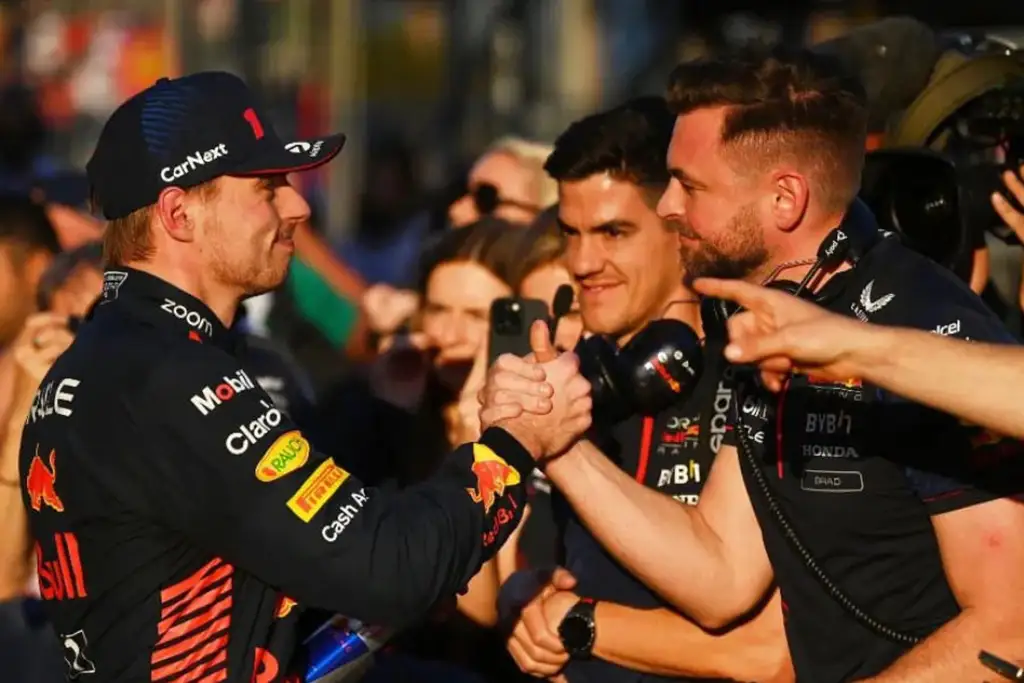
When most people think about Formula 1, their minds go straight to speed, strategy, and high-stakes racing. They imagine roaring engines, high-speed overtakes, and drivers pushing themselves and their cars to the limit.
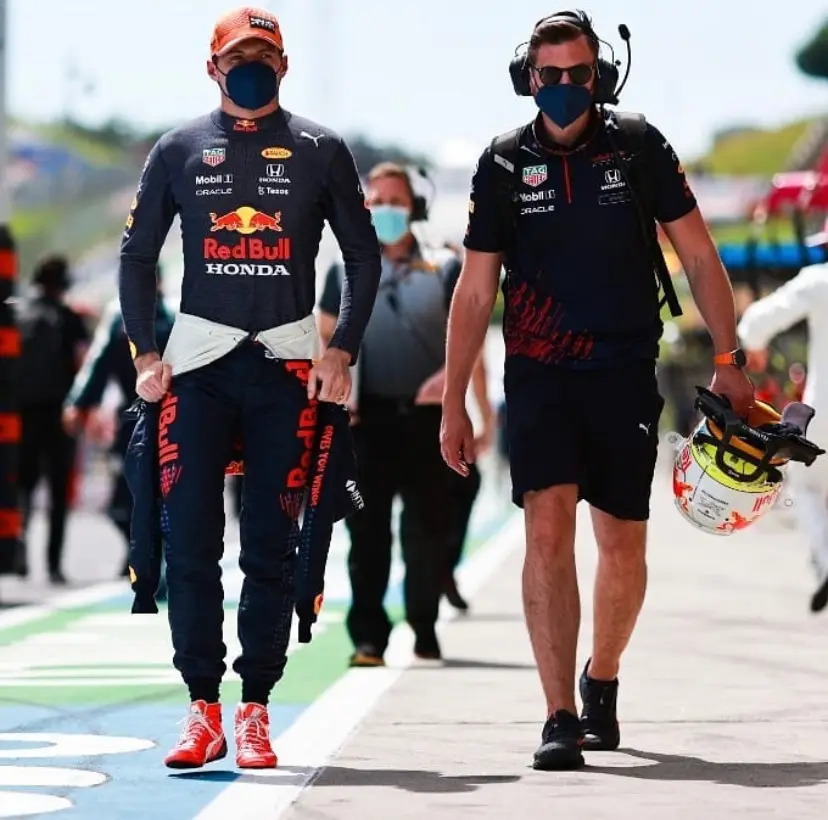
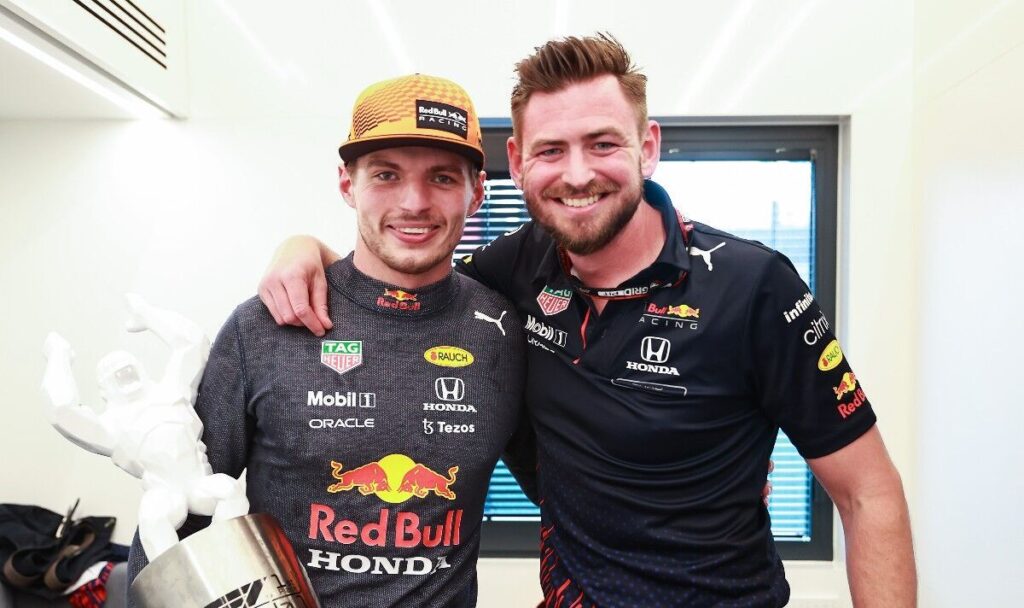
But during my years working in elite sport-including time alongside world-class F1 athletes-I learned something unexpected. Something that has completely changed the way I approach recovery and rest days.
Believe it or not, F1 drivers spend more time recovering than they do driving.
It might sound counterintuitive. After all, they’re professional athletes. Shouldn’t they be training harder, longer, faster? But this was the lesson that stuck with me: elite performance isn’t just about how hard you go-it’s about how well you recover.
Why Most Runners Get Rest Days Wrong
Let’s talk about runners for a moment. Whether you’re training for your first 10K or chasing a marathon PB, you probably fall into one of the most common traps in amateur sport: misunderstanding rest.
Most runners equate rest with inactivity. They see it as a chance to do absolutely nothing:
- Binge a box set
- Skip movement altogether
- Wait around until their legs “feel fresh” again
And sure, mentally, that might feel restful. But for your body? It’s not what it needs. In fact, this kind of passive recovery can leave you feeling more sluggish, stiff, and fatigued when you return to training.
This is especially true if you’re juggling high training volumes with the demands of work, life, and limited sleep. Just doing less isn’t enough to help your body bounce back and adapt.
Your Nervous System Isn’t a Light Switch
Here’s where the F1 metaphor really clicks: your nervous system is like a finely tuned engine.
After an intense workout or race, your body doesn’t just power down like flipping a switch. It needs structured, intentional care to reset. In the world of F1, cars go through detailed post-race protocols-cool-down processes, diagnostic checks, data analysis, and prep for the next race. The body of a high-performing athlete requires the same kind of attention.
Yet most runners finish a hard session, collapse on the sofa, and call it recovery. It’s like pulling into the garage after a race and just switching the engine off without even checking the oil.
The Real Mistake: Resting When It’s “Convenient”
One of the biggest mistakes I see runners make is this: they plan rest days based on their schedule, not their needs.
They take a rest day when it fits around meetings, school runs, or travel. Or worse, they wait until they’re completely exhausted, injured, or mentally burnt out before backing off.
Recovery isn’t supposed to be reactive-it should be proactive. If you’re pushing towards a big goal, balancing a demanding job, or noticing lingering fatigue, then your recovery strategy should be just as detailed and personalised as your training plan.
This becomes even more important when you’re increasing your mileage, intensity, or dealing with stress outside of running. Recovery isn’t a luxury. It’s your secret weapon.




What Real Recovery Actually Looks Like
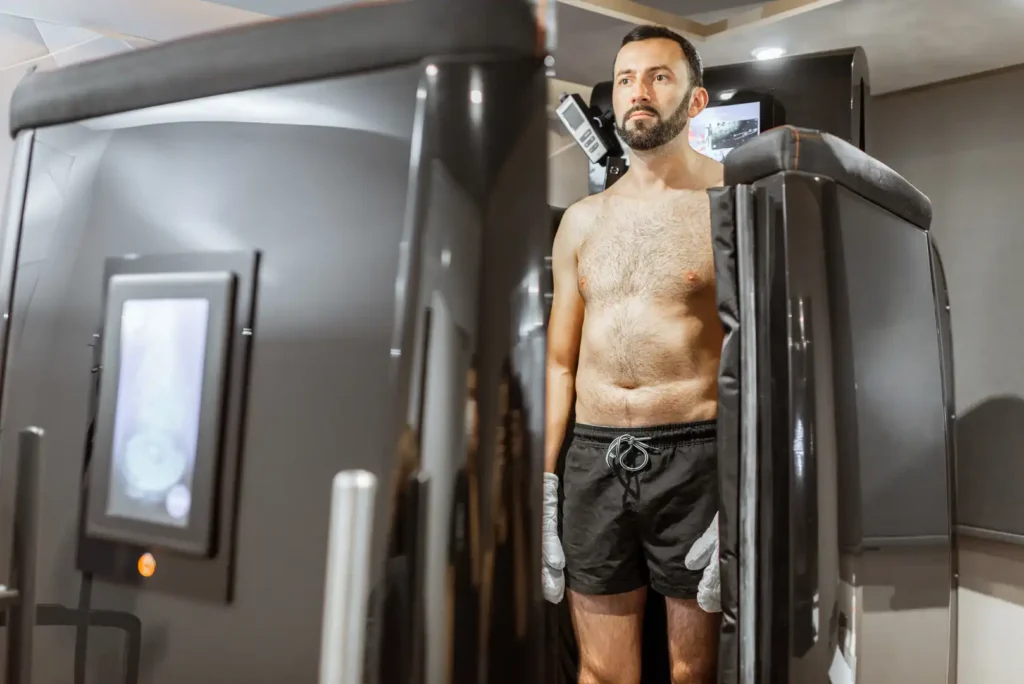
Let’s shift the mindset. Recovery isn’t just “not running.” It’s about actively preparing your body to run well again.
True recovery includes:
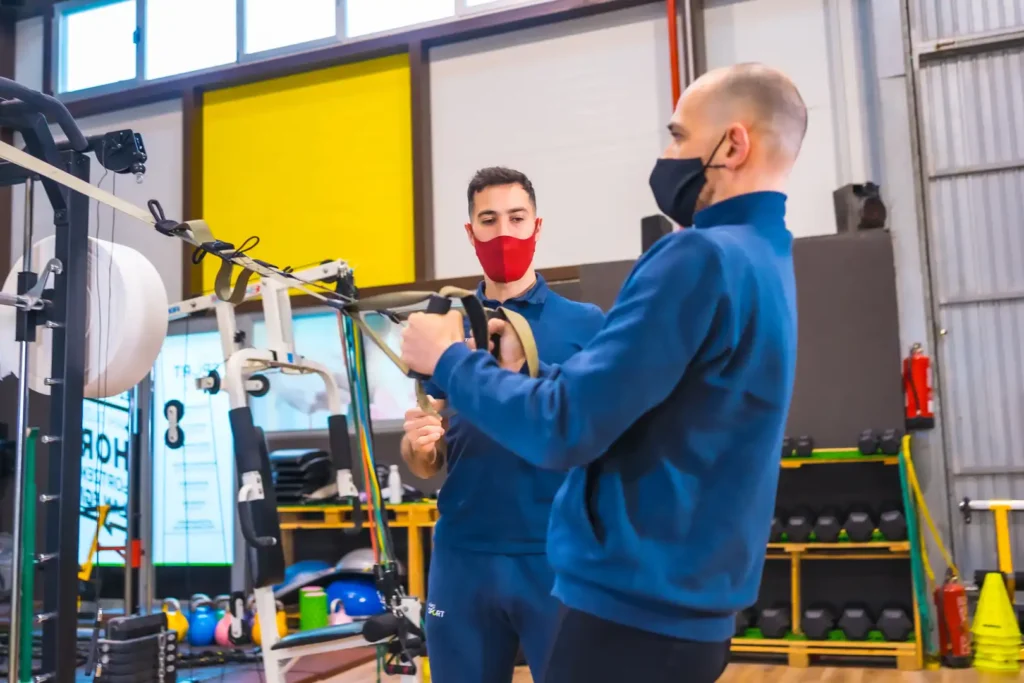
- Light, intentional movement - think easy walks, gentle mobility routines, or restorative yoga to keep the blood flowing and aid muscle repair
- Focused relaxation techniques - such as breathwork or guided relaxation to help settle your nervous system and reduce stress
- Quality sleep and daily rhythms - not just clocking hours in bed, but creating routines that promote genuine rest and repair
- Mental reset activities - journalling, mindful movement, or non-competitive hobbies to give your brain space to recharge
It’s about listening to your body and responding, not just checking out and hoping you feel better in a few days.
Elite athletes aren’t guessing when it comes to rest-they have systems. You should too.
What You Can Do Differently
You don’t need access to F1 facilities or full-time recovery teams to rest like a pro. What you do need is a strategy.
That’s what I help my clients build.
If you’ve been pushing hard, stuck in a plateau, or just not feeling your best on race day despite all your effort, then it’s time to rethink your approach to recovery.
→ Apply here for a free Peak Performance Strategy Call
In this 1:1 session, we’ll:
- Review your current training and rest routine
- Pinpoint the gaps and risks
- Build a personal recovery protocol that fits your goals and lifestyle
- Create a performance roadmap that combines smart training with smart recovery
Because performance isn’t just about mileage or pace.
It’s about how you use every single day to move closer to your best.
To your success,
Bradley
P.S.
The difference between being a “good” runner and a “great” one often comes down to what you do on your rest days. Let me show you how to make yours count.