31 July 2023
Belgian Grand Prix Preview - Spa
The Circuit de Spa-Francorchamps, located in the picturesque Ardennes forest in Belgium, is one of the most iconic racetracks in the world. It is a 7.004-kilometer (4.352-mile) track that winds through the hilly terrain, offering a unique and challenging experience for Formula 1 drivers, often described by them as their favourite. The circuit features a total of 20 turns and provides an exhilarating mix of high-speed sections, long straights, and technical corners.
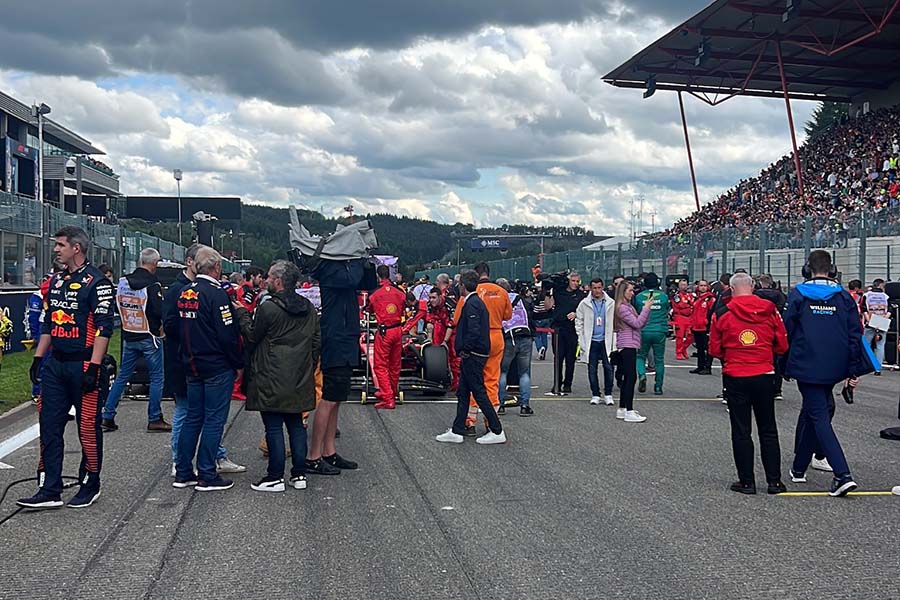
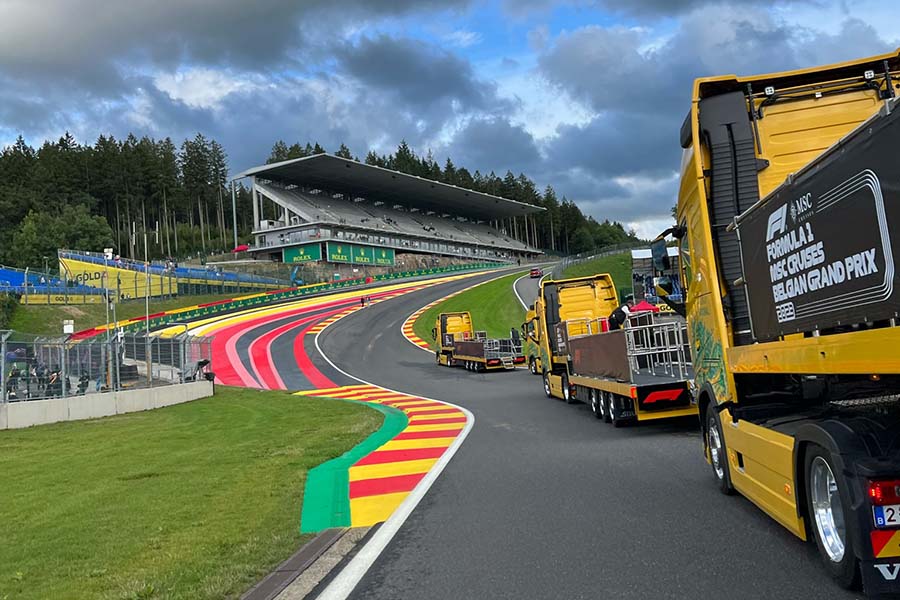
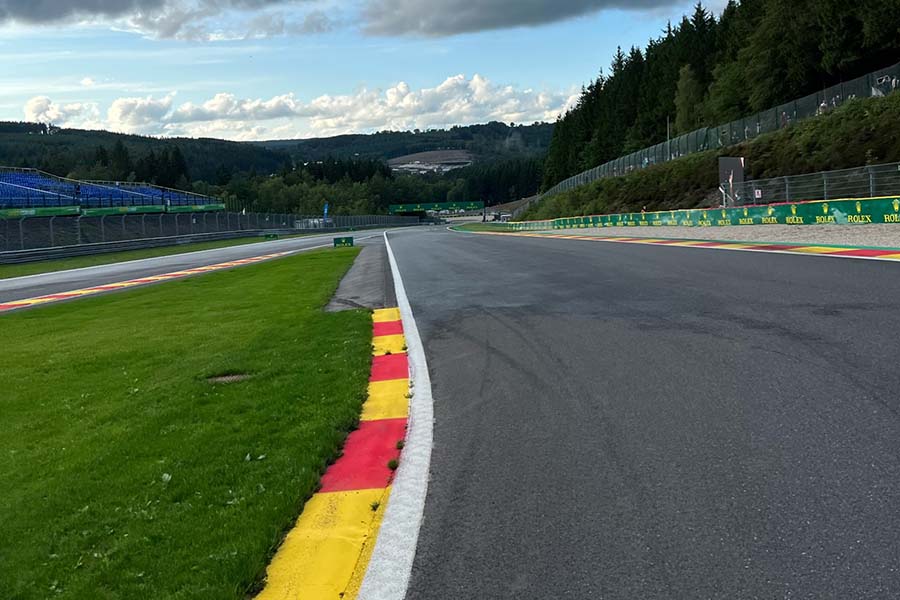
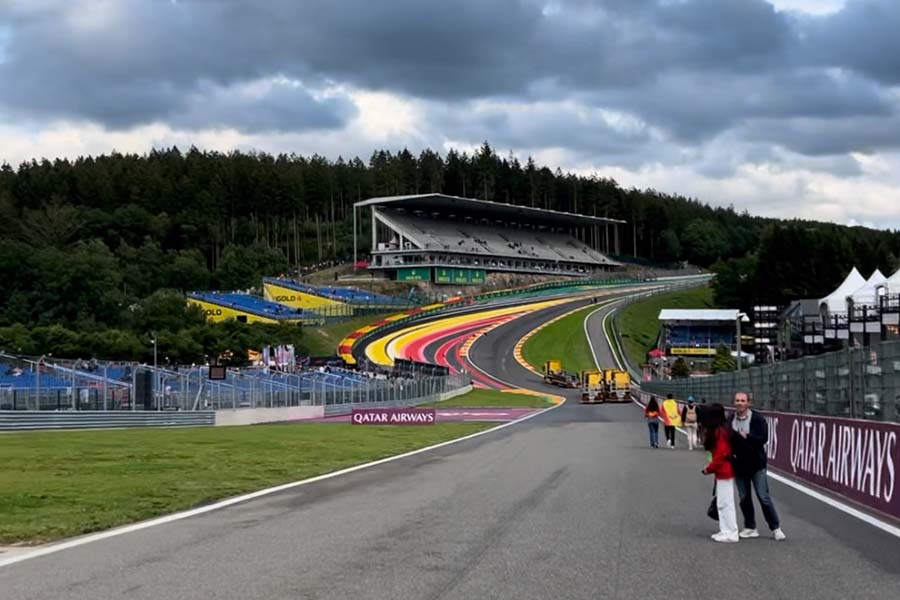
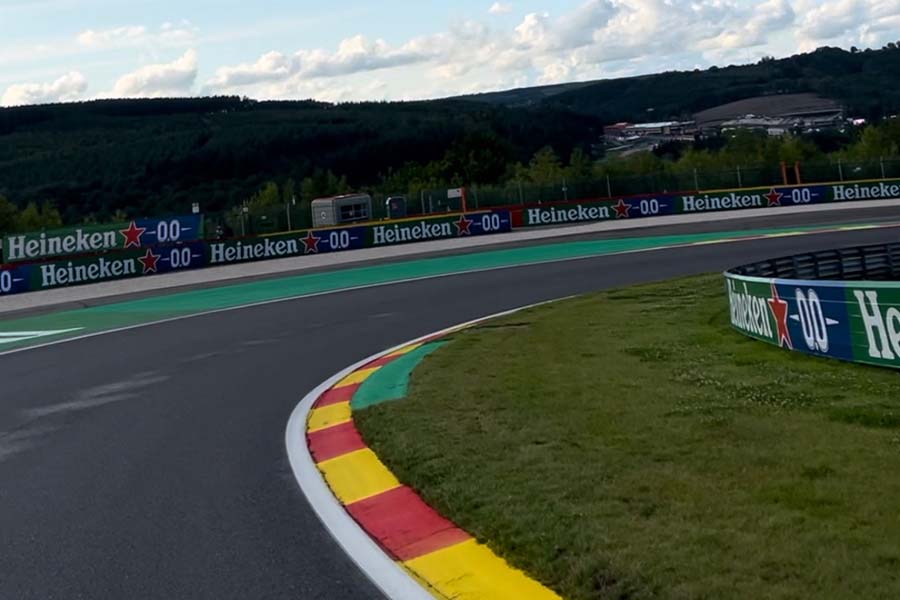
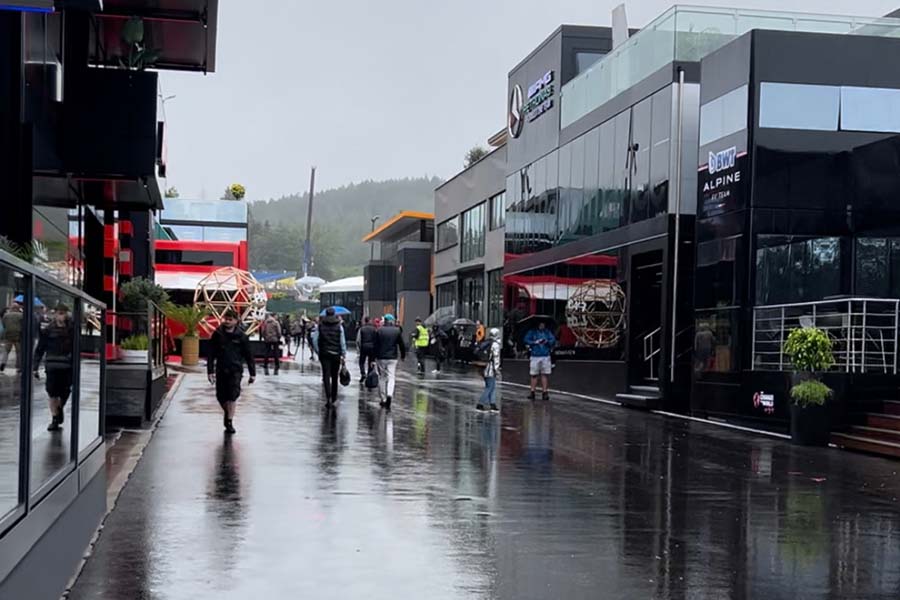
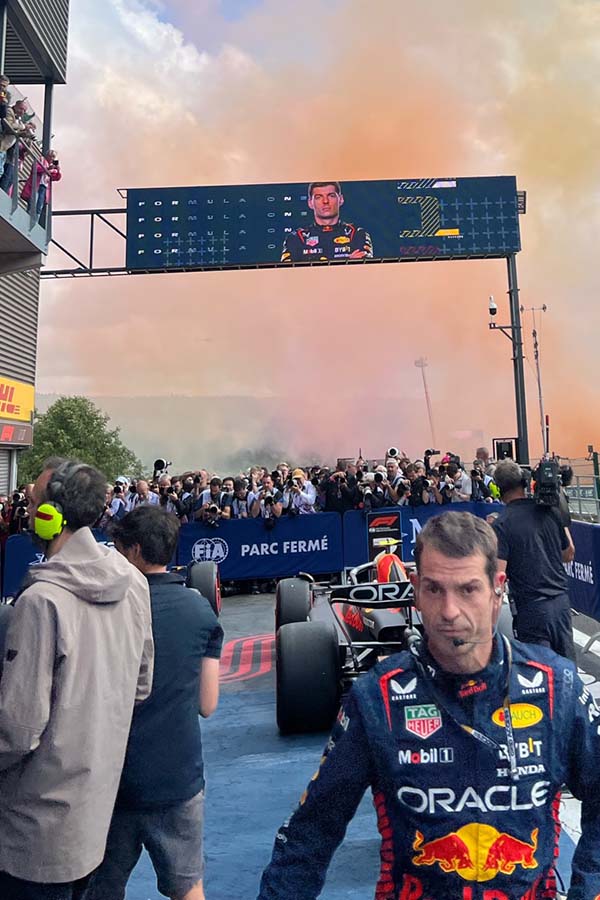
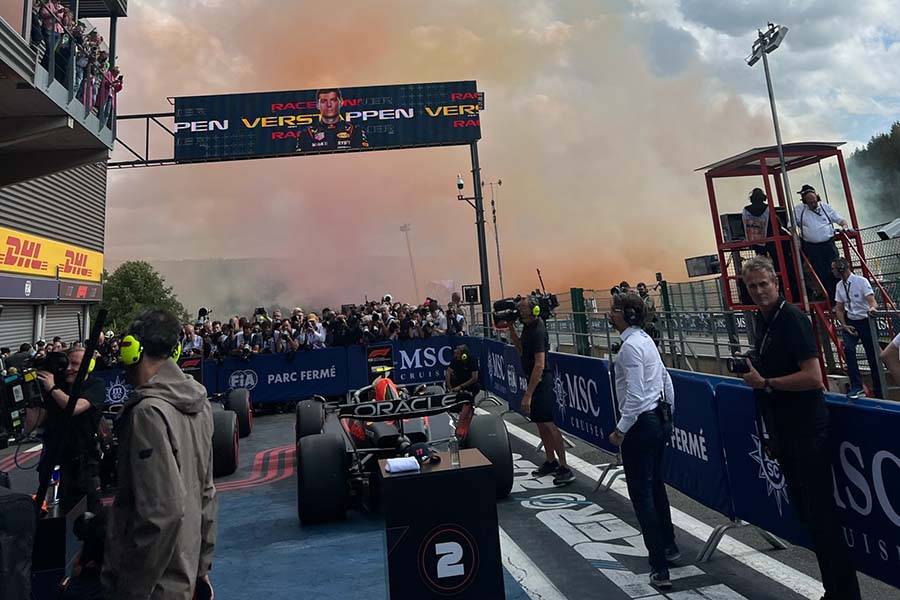
The Circuit de Spa-Francorchamps is known for its fast and flowing nature, demanding a combination of speed, precision, and bravery from the drivers. The track’s long straights, such as the Kemmel Straight and the Blanchimont Straight, allow the cars to reach blistering speeds of over 320kph, while its famous corners, including Eau Rouge and Raidillon, test the drivers’ skill and courage.
This is made even trickier by the wether conditions that the Ardennes forest throws up. The area is notorious for its unpredictable weather conditions. Rain showers can occur suddenly and drench certain parts of the track while leaving others dry, adding an extra layer of complexity to the race strategy. This can impact drivers and teams strategic decisions regarding tire choices and setups to optimise performance throughout the race but also most important it can impact safety, with a number a sad and tragic events occurring at the circuit.
With the nature of the course, it can place a lot of physical demand on the driver also. Several corners on the track subject drivers to high g-forces that impose a substantial strain on their bodies. The corners with the highest g-forces include Eau Rouge, Pouhon, and Blanchimont.
Eau Rouge has had a make over but is still one of the most famous sequences of corners in F1. Drivers race downhill at speeds up to 300 kph before making a 60 degree right hand turn at a G force over 4G then left at 45 degrees over a 24 metre drop then up the hill through Raidillon. As well as 4-5G of lateral G force it produces 3G of vertical compression.
Other notable corners include Pouhon which produces around 5.3G and Blanchimont, a high speed corner towards the end of the lap characterised by a challenging entry requiring precise car control and 3-4G of lateral force.
Braking Demands are also high such as the La Source hairpin, Les Combes, and the Bus Stop chicane. These corners demand precise braking control and can generate high deceleration forces, Les Combes reaching 4.6G of braking force.
SIGN UP To Elite Formula Physio & Training
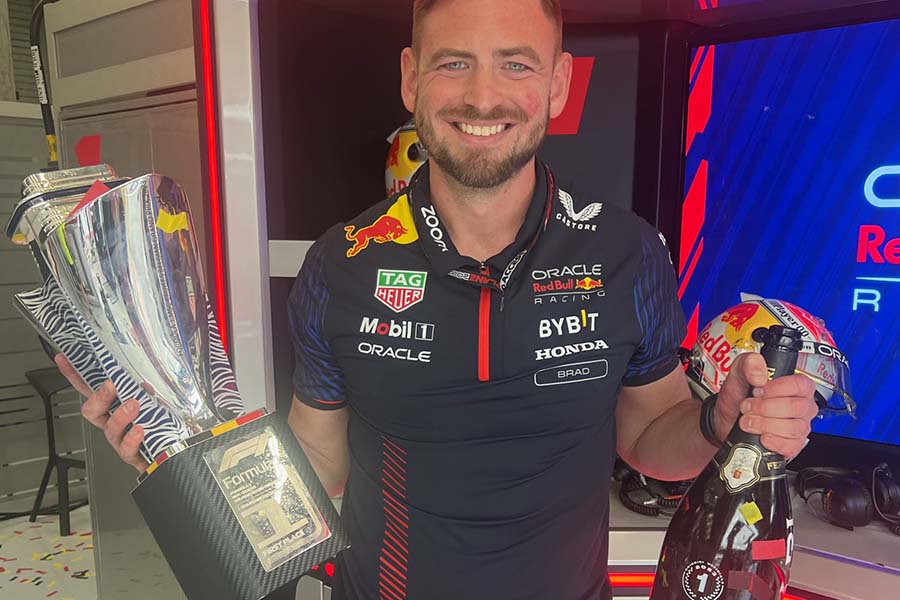
Welcome to Elite Formula Physio & Training, a prestigious destination for bespoke coaching in performance and physiotherapy-an opportunity typically reserved for professional athletes. Our team, led by Bradley Scanes, a renowned Human Performance Consultant at Red Bull Racing & Red Bull Technology, brings a wealth of expertise to ensure the utmost care and excellence for our esteemed clients.
Allow us to introduce the driving forces behind our success: Matt Murray-Downing, a Formula 2 Physiotherapist and Performance Coach, and Grace Covington, an accomplished Physiotherapist for the England Women’s Rugby Team. Together, they contribute their unique knowledge and experience, enriching our approach.
At Elite Formula PT, we are wholeheartedly dedicated to crafting tailor-made programmes that cater to the specific needs and aspirations of each individual. Whether your goal is to elevate athletic performance or recover from an injury, our team possesses the necessary expertise to expertly guide you towards success. Unleash your full potential by joining us on this transformative journey!